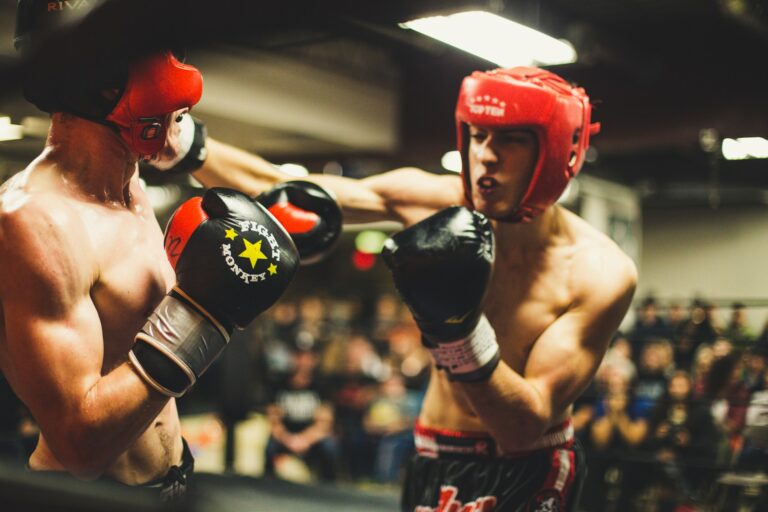
A championship fight is never decided only on the night.
The punches that land in the final round matter most, of course. The knockdowns, tactical changes, scorecards and moments that leave fans debating long after the final bell are what make boxing special.
But the foundations of a big performance are usually built weeks, months and sometimes years before a fighter walks to the ring.
Training camps, weight management, opponent selection, confidence, coaching and preparation all shape what happens when the bell rings. That is why the best boxing analysis goes beyond simply predicting who will win. It looks at how a fighter might win, what challenges they face and whether the conditions are right for them to deliver their best performance.
Every major fight tells a story before it starts.
Styles Make Fights: Preparation Makes Styles Work
“Styles make fights” remains one of boxing’s most repeated phrases because it is true.
A pressure fighter may struggle against a sharp counter-puncher. A powerful boxer may look dangerous early but find it difficult to close the distance against an opponent with elite movement. A technically gifted champion may be forced out of rhythm by someone prepared to take risks and make the contest uncomfortable.
But style alone is not enough.
A fighter needs the preparation to apply that style effectively over 12 rounds. Throwing punches in bursts is different from sustaining pressure for a full fight. Moving intelligently is different from simply running away. Counter-punching is only effective when timing, composure and defensive awareness are all working together.
That is what makes boxing so compelling.
Two fighters can have similar records, similar knockout numbers and similar levels of experience, yet look completely different when they meet in the ring. One may have the footwork to control the distance. The other may have the timing to disrupt everything that normally makes their opponent successful.
The best fighters recognise those details.
They do not simply rely on what they do well. They identify what their opponent wants to do, remove that comfort and force the fight into a rhythm that suits them instead.
The Mental Battle Begins Before Fight Night
Boxing is physical, but the mental side of the sport is impossible to ignore.
A fighter can enter the ring in peak physical condition and still struggle if they are carrying doubt, frustration or pressure. The biggest occasions bring a different type of challenge. World title fights, grudge matches, homecoming events and major pay-per-view bouts all come with expectations that can affect even the most experienced competitor.
Some fighters rise when the spotlight gets brighter.
They become calmer, sharper and more confident. They enjoy the pressure, feed off the atmosphere and produce their best work when everything is on the line. Others can find the occasion overwhelming, particularly if they are stepping up in class or facing an opponent with a level of experience they have not encountered before.
The build-up matters.
Face-offs, press conferences and weigh-ins can all offer clues, although they should never be treated as definitive evidence. A fighter who looks relaxed may be genuinely confident. They may also be hiding nerves well. A fighter who appears intense could be focused, or they could be trying too hard to convince themselves that they are ready.
The ring provides the real answers.
But the psychological battle often starts long before the opening bell.
Weight Can Change Everything
Weight cuts are one of boxing’s most important, and sometimes most overlooked, factors.
Making weight is not just a formality. It can influence energy levels, punch resistance, recovery and overall performance. A fighter who has had a difficult cut may still look composed at the weigh-in, but the effects can become clear once the pace increases.
That is why fans should pay close attention to the broader context around a bout.
Is a fighter moving up or down in weight? Have they looked comfortable at the limit in previous contests? Are they facing a naturally larger opponent? Will they be able to maintain their normal output over the championship rounds?
Weight divisions exist for a reason, but the physical differences between fighters can still be significant.
Some boxers are naturally strong at their weight and carry their power well. Others use movement and speed to offset a size disadvantage. Then there are fighters who improve dramatically after moving divisions, either because they no longer have to drain themselves to make weight or because their skill level translates better against larger opponents.
The weigh-in does not tell the whole story, but it can provide an important part of it.
Experience Matters When the Fight Gets Difficult
Every boxer looks good when everything is going to plan.
The real question is what happens when it is not.
What happens when a fighter is cut early? What happens when they are knocked down? What happens when the opponent refuses to follow the expected script and turns the contest into a rough, physical battle?
That is where experience becomes valuable.
A seasoned fighter may not have the same speed or explosiveness they had earlier in their career, but they often understand how to survive difficult rounds, steal momentum and make small adjustments that change the direction of the fight.
Young fighters can be fearless, talented and ambitious. But many only discover the limits of their game when they face someone who has already been through the toughest moments boxing can offer.
This is why stepping up in opposition remains such an important moment in any career.
A prospect may have an unbeaten record and a highlight reel full of stoppages, but the next level introduces new problems. Opponents can take a punch. They can fight through adversity. They can recognise patterns and exploit weaknesses that earlier opponents could not.
The great fighters adapt.
Why Boxing Odds Are Only Part of the Story
Odds are a major part of the conversation around big fights, particularly when fans are debating favourites, underdogs and potential outcomes.
However, they should never be treated as a guarantee.
Odds reflect opinion, available information and market activity. They can change after a press conference, a weigh-in, a training update or a late development in the build-up. But boxing is one of the most unpredictable sports in the world.
One punch can change everything.
A fighter may be the favourite because of their record, reputation or recent form, but that does not mean they will have an easy night. The underdog may have the style, speed or toughness needed to create problems that the favourite has not faced before.
For fans who enjoy following boxing odds and sportsbook offers around major fight nights, the latest Thrill promo code information can be found at thrill.codes before registering.
It is important to remember that betting should only ever be treated as entertainment. Never stake more than you can afford to lose, never chase losses and only participate if you are 18+ and gambling is legal where you live.
The Best Fights Create Questions, Not Easy Answers
The fights fans remember most are rarely the ones that go exactly as expected.
They are the contests where tactics change in the middle rounds, where a fighter has to recover from adversity or where one competitor discovers an answer nobody thought they had. Boxing is at its best when the outcome is uncertain and both fighters are forced to show more than raw talent.
That is why preparation matters so much.
A fighter may have speed, power and a strong record, but the biggest nights demand more. They demand discipline, intelligence, fitness, heart and the ability to stay composed when the fight becomes uncomfortable.
The final bell may determine the official winner.
But the road to victory begins long before that moment, in training, in preparation and in the thousands of small decisions that lead a fighter toward the biggest night of their career.
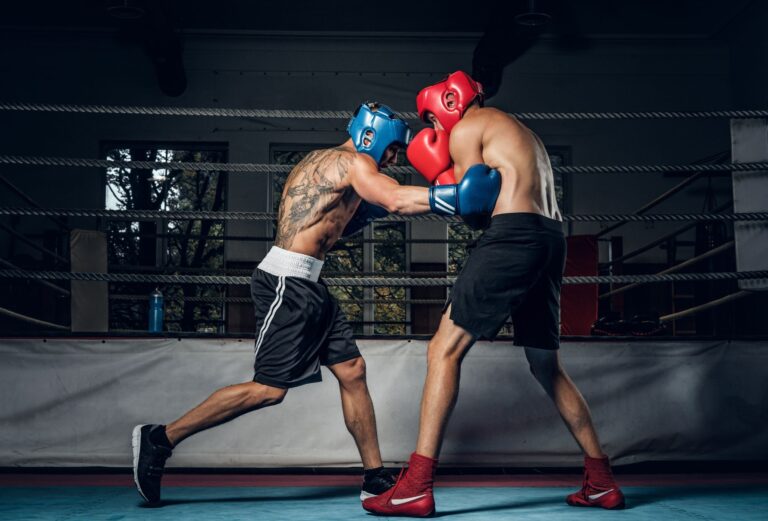
Image/Photo by Hermes Rivera on Unsplash




![Best Young British Boxers Poised to Become Legends [Across Weight Classes]](https://media.boxing-social.com/boxingsocial/2026/08/25165847/screenshot-2026-08-25_17-58-32-768x433.png)